Surgical Guide – CAD Design
$89.00
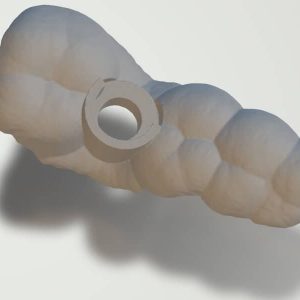
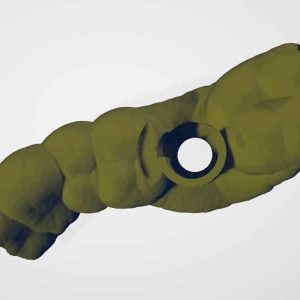
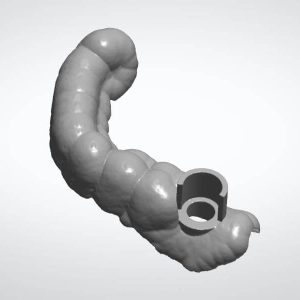
- Description
- Implant Surgical Guide Types
- Q&A
Description
Surgical Guide – Custom CAD Design Service
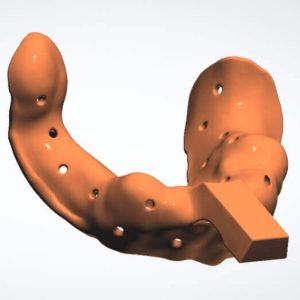
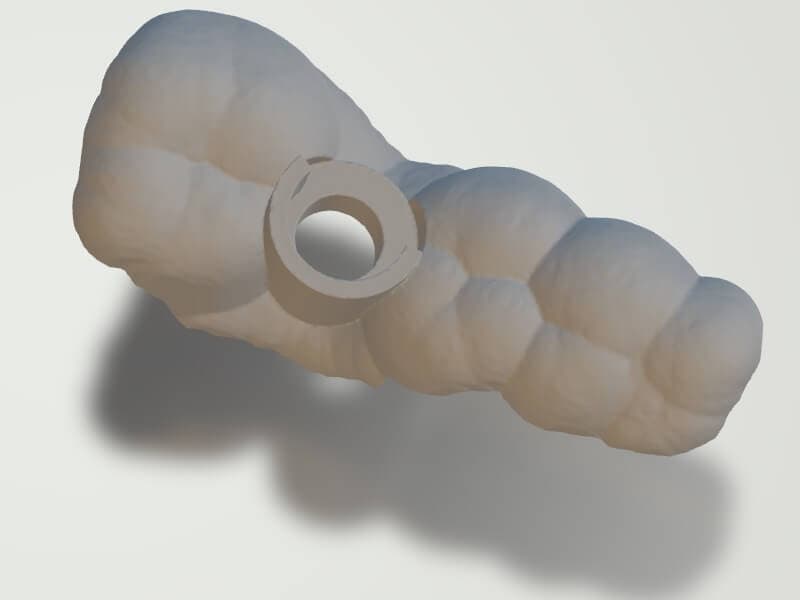
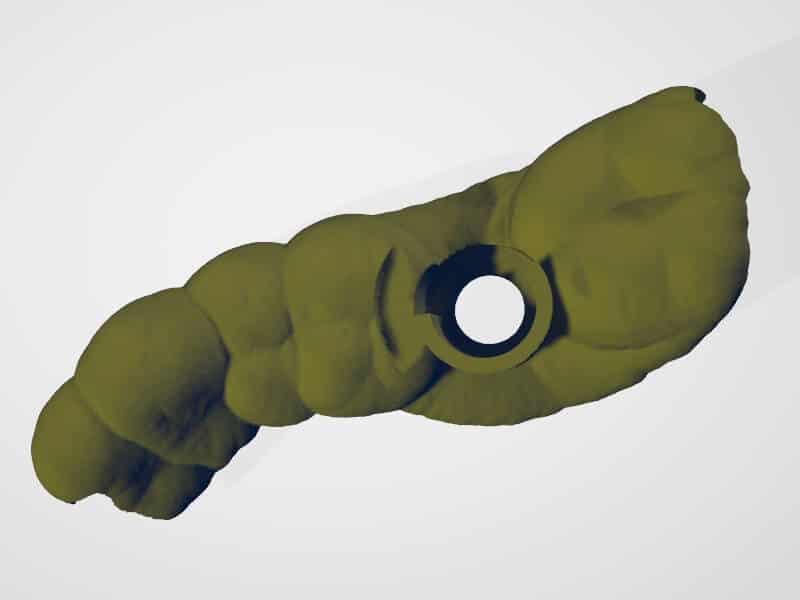
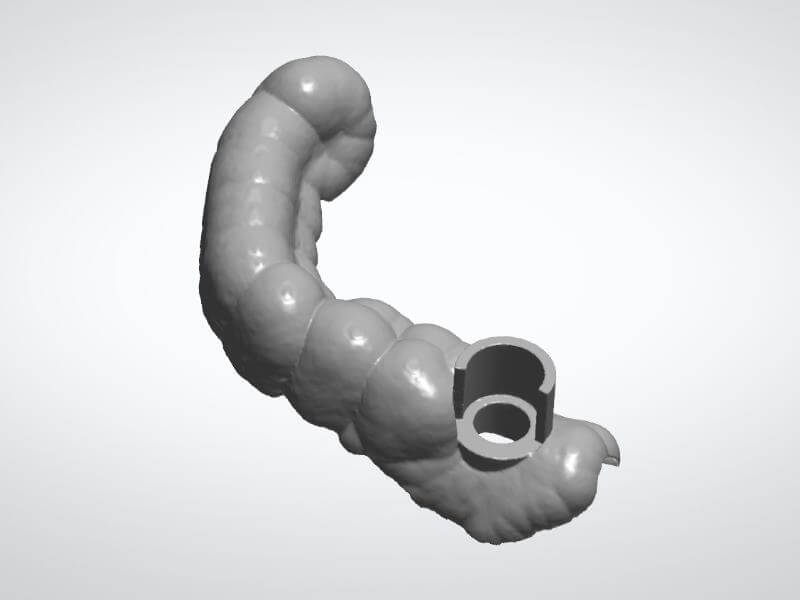
Elevate your clinical planning accuracy with our high-precision Surgical Guide CAD Design Service. Utilizing advanced computer-aided design (CAD) software and integrated 3D data alignment, we transform digital intraoral scan topography and diagnostic datasets into highly accurate, production-ready guide architectures. This specialized B2B service is tailored strictly for dental laboratories, implantologists, and technicians utilizing computer-guided manufacturing protocols.
Our advanced engineering workflow focuses on absolute spatial accuracy, optimizing the positioning, depth control, and angulation pathways for multi-brand implant hardware configurations. The lightweight, low-profile digital framework is built to ensure a rigid path of insertion and stable seating properties during laboratory or clinical validation.
Advanced Technical Engineering & Guide Controls:
* Multi-System Compatibility: Open-architecture digital design workflows that seamlessly adapt to standard sleeve dimensions for most major implant hardware manufacturers.
* Parametric Seating & Fixation: Precise window cutouts built into the digital model file to allow lab technicians to visually inspect and verify the physical seating accuracy.
* Structural Integrity Controls: Optimized wall thicknesses and reinforcement ribs engineered for lightweight portability without compromising physical rigidity during processing.
* Model Interface Customization: Full digital integration supporting custom model designs, software connectors, and structural add-ons to streamline batch laboratory 3D printing.
Production-Ready Deliverables:
All drill sleeve tolerances, guide tube offsets, and structural parameters are engineered to match your laboratory’s exact hardware and material specifications. Final deliverables consist of highly accurate, CAM-compatible STL datasets formatted for flawless physical production on any open-system dental 3D printer or milling machine.
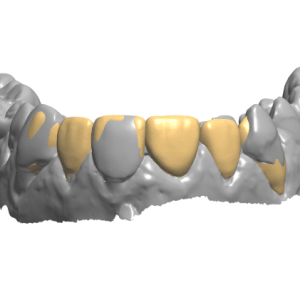
1. Toothed (Tooth-Supported)
- What it is: A guide that sits directly on the patient’s existing, stable natural teeth.
- Best use: Partially edentulous cases (patients missing only some teeth).
- Key benefit: Because natural teeth act as rigid, unchanging anchors, this is the most accurate and stable type of surgical guide.
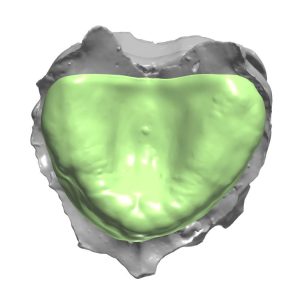
2. Tissue (Mucosa-Supported)
- What it is: A guide that rests directly on the soft gum tissue (mucosa).
- Best use: Fully edentulous patients (patients with no remaining teeth).
- Key benefit: Allows for less invasive surgery because it eliminates the need to surgically fold back the gums (flapless approach). However, it is considered the least accurate option because soft tissue can shift or compress during the procedure.
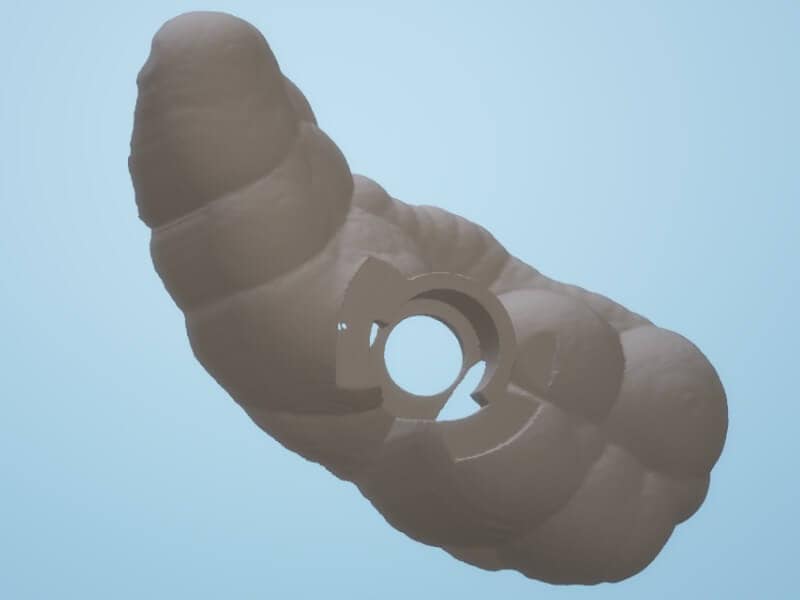
3. Bone (Bone-Supported)
- What it is: A guide that sits directly on the exposed alveolar jawbone.
- Best use: Complex full-arch cases where the patient needs significant bone reshaping (alveoloplasty) prior to implant placement.
- Key benefit: Offers excellent stability in complex cases where teeth and soft tissue cannot be used for support. The main drawback is that it requires a more invasive procedure, as the surgeon must raise a full tissue flap to expose the bone.
Questions & Answers
Ask a Question
If you have a question about Surgical Guide – CAD Design product, please ask below.
Related Products
Coping – CAD Design
$10.00